
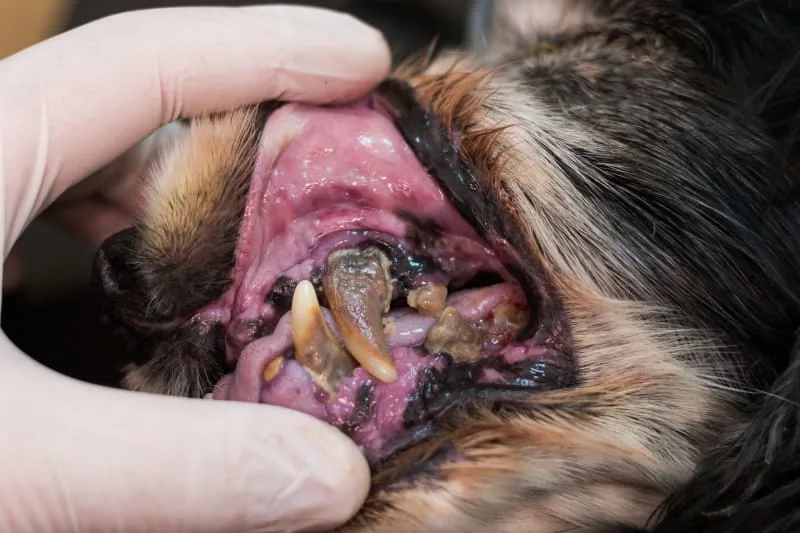
A healthy mouth is essential for good overall health, yet our Morton vets often see signs of periodontal disease even in young dogs. What is periodontal disease? How can it be prevented? Read on to find out.
The Importance of Caring For Your Dog's Gum Health
Periodontitis, (gum disease or periodontal disease) is a form of bacteria that can infect your dog's mouth and lead to a variety of oral health issues. Dogs with early stage periodontal disease tend not to show any obvious symptoms which is a major reason why this condition often goes untreated.
Once your dog's periodontal disease becomes more advanced painful and problematic symptoms will begin to appear, including chronic pain, tooth loss, gum erosion or even bone loss as the supporting structures of your pup's teeth are weakened or lost.
How did my dog develop periodontal disease?
The gradual buildup of bacteria in your dog’s mouth develops into plaque then combines with other minerals and gradually hardens into tartar over the course of a few days. Once tartar forms on your pup's teeth, it becomes more difficult to scrape away.
When left untreated the tartar will continue to build up and eventually pull the gums away from the teeth, causing pockets in the gums where bacteria can grow. At this stage, abscesses may begin to form, tissue and bone deterioration can occur, and your dog's teeth may start to loosen and fall out.
Sadly, in small and toy breed dogs advanced periodontal disease often leads to jaw fractures.
The development of periodontal disease in dogs can also be associated with poor nutrition and diet in some dogs. Other factors that may contribute to the development of periodontal disease in dogs can include dirty toys, excessive grooming habits, and crowded teeth.
What are the signs of periodontal disease in dogs?
There are typically few or no signs of periodontal disease while it's in the early stages, however, if your dog is suffering from advanced periodontal disease you may notice one or more of the following symptoms:
Bad breath (halitosis)
Loose or missing teeth teeth
Blood on chew toys or in water bowl
Excessive drooling
Favoring one side of the mouth when chewing
Reduced appetite
Discolored teeth (yellow or brown)
Inflamed or bleeding gums
Irritability
Problems keeping food in their mouth
Weight loss
Bloody or “ropey” saliva
Periodontal disease is a serious health concern for our dogs. Once the disease reaches the advanced stages your canine companion could be experiencing significant chronic pain, but that's not all.
The bacteria associated with periodontal disease can also travel throughout your pet's body, potentially causing problems with major organs and leading to serious medical issues such as heart disease.
Can periodontal disease in dogs be treated?
If your dog is developing or suffering from the symptoms of periodontal disease your vet may recommend professional cleaning or other treatments depending on the severity of your pup's oral health problems.
The cost of your dog's dental care will vary depending on the treatment required and the individual vet.
For your vet to perform a thorough examination of your dog's teeth and gums, as well as any treatments necessary, the use of anesthesia will be required. (Pre-anesthesia blood work is also an important step in order to determine whether your pet is healthy enough for anesthesia medications).
Dental procedures for dogs typically include:
Dental radiographs (x-rays)
Pre-anesthesia blood work
IV catheter and IV fluids
Endotracheal intubation, inhaled anesthetic and oxygen
Circulating warm air to ensure the patient remains warm while under anesthesia
Anesthesia monitoring
Scaling, polishing and lavage of gingival areas
Extractions as required (with local anesthesia such as novocaine)
Pain medication during and post-procedure
How do I prevent my dog from getting periodontal disease?
Preventing your dog from developing periodontal disease is pretty straight forward. Simply care for your dog's oral health, much the way you care for your own.
Right from when your dog is a puppy, be sure to pay close attention to your dog’s oral health.Like people, dogs need regular dental appointments to keep their oral hygiene in check and to identify any trouble spots before more serious issues develop.
Your pup should see the vet at least once a year for an oral health examination and cleaning. Regular dental appointments for your dog provide you with an opportunity to speak to your vet about any concerns you may have about your pup's teeth or overall health.
To prevent problems from taking hold between appointments brush your dog’s teeth daily to remove plaque and prevent bacteria from forming. You may also want to offer your dog specially formulated dental chews and dog food, as well as specially designed toys to help address dental disease and reduce the buildup of tartar.
If your four-legged friend is displaying symptoms of periodontal disease such as swollen or inflamed gums, appetite changes or missing teeth, book an appointment with your vet as soon as possible.
Note: The advice provided in this post is intended for informational purposes and does not constitute medical advice regarding pets. For an accurate diagnosis of your pet's condition, please make an appointment with your vet.
Do you think that your dog might have periodontal disease? Contact Stoney Creek Veterinary Hospital today to book an appointment with our experienced Morton vets.